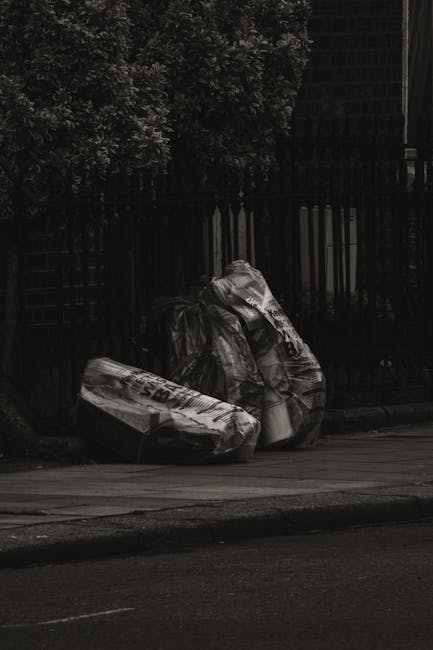
Cricklewood Broadway rubbish removal guide for flats and shops
If you live above a parade of shops, manage a small unit, or just need a sensible way to clear waste without upsetting neighbours, this Cricklewood Broadway rubbish removal guide for flats and shops is for you. The reality on a busy London high street is simple: rubbish builds up fast, access is awkward, and the wrong move can create noise, mess, complaints, or even a compliance headache. Whether you are dealing with a flat move-out, old furniture, shop refit waste, or general bulky rubbish, the aim is the same: get it gone safely, quickly, and with as little disruption as possible. In the pages below, you will find a practical, down-to-earth guide to how rubbish removal works, what to watch for, and how to choose the right approach for Cricklewood Broadway without making life harder than it needs to be.
Why Cricklewood Broadway rubbish removal guide for flats and shops Matters
Cricklewood Broadway is the kind of place where waste issues become visible quickly. Flats sit close to one another, shopfronts open straight onto the pavement, and there is usually a steady flow of people, deliveries, and parked vehicles. That means a pile of old packaging outside a shop or a few black bags left in a communal hallway is not just untidy; it can get in the way of daily life very quickly.
For flats, rubbish removal often turns into a shared problem. One resident leaves a mattress in the lobby, another has a broken wardrobe by the bins, and suddenly the whole building feels disorganised. For shops, the pressure is different. You may be clearing stock rooms, replacing furniture, or dealing with refit waste on a deadline. Either way, the job needs planning, not improvisation. Let's face it, nobody wants to drag a heavy sofa down a narrow stairwell at 7am while trying not to wake the building.
The reason this guide matters is that the "easy" option often creates the biggest mess. A quick trip outside with a few bags sounds simple until you realise you need somewhere to park, someone to help, and a disposal method that is actually lawful and responsible. A structured rubbish removal plan saves time, protects common areas, and helps you avoid awkward conversations with neighbours, landlords, or business customers.
If you are handling business premises waste, it can also help to read about business waste removal and the broader waste removal options available for different property types. That keeps the decision practical rather than guesswork.
How Cricklewood Broadway rubbish removal guide for flats and shops Works
In plain English, rubbish removal means collecting unwanted items, loading them safely, sorting what can be reused or recycled, and taking the waste away for proper disposal. On a busy street like Cricklewood Broadway, the process usually needs a bit more coordination than a standard domestic collection. Access, timing, and waste type all matter.
For a flat, the service often starts with a look at what needs clearing: bulky furniture, broken appliances, bags of general rubbish, or a mix of items. If there are stairs, narrow corridors, or shared entry points, those details affect how the job is handled. A top-floor flat with no lift is a very different job from a ground-floor studio, and anyone who has carried a wardrobe down a Victorian stairwell will know that immediately. Not ideal. Not even close.
For a shop, the process usually needs to work around trading hours and pedestrian traffic. You might be clearing packaging, display units, old shelving, broken stock, or a complete shop refresh. The clearance may need to happen early in the morning, after closing, or during a quieter window so customers are not forced to walk around the work.
In many cases, the process includes the following:
- Identifying the waste and separating useful items from true rubbish.
- Checking access points such as stairs, rear entrances, loading bays, or shared hallways.
- Choosing a collection time that suits residents, customers, and neighbours.
- Loading items carefully to minimise damage and disturbance.
- Transporting the waste to the correct disposal or recycling route.
If your clearance includes furniture, specialist handling may help. You can look at furniture clearance or furniture disposal if the main issue is bulky chairs, tables, or cabinets. For beds and larger soft items, mattress and sofa disposal is often the more sensible route.
Key Benefits and Practical Advantages
The biggest benefit is straightforward: you get your space back without turning the building upside down. But there are several other advantages that are easy to overlook when you are focused only on "getting rid of stuff".
- Less disruption: A proper removal plan reduces noise in shared hallways and keeps shopfronts presentable.
- Safer moving: Heavy or awkward items are handled with more care, which matters in tight stairwells and narrow entrances.
- Better use of time: Instead of spending half a day trying to lift and sort waste yourself, you can stay focused on moving, trading, or closing up the premises.
- Cleaner presentation: A tidy entrance, lobby, or pavement feels far more professional. Customers notice, even if they never say it aloud.
- More responsible disposal: Items are sorted with recycling and reuse in mind, which is much better than a "dump it and hope" approach.
There is also a quieter benefit: peace of mind. Flat clearances can be emotionally draining, especially if you are moving out, clearing after tenants, or dealing with inherited items. Shop clearances can be stressful too, particularly when a refit deadline is looming. A good rubbish removal process takes some of that pressure off. Not all of it, of course, but enough to make the day feel manageable.
For larger domestic jobs linked to flats, you may also find flat clearance, home clearance, or house clearance useful if the job is bigger than one room or one category of waste.
Who This Is For and When It Makes Sense
This guide is aimed at a few very different people, and that is part of the point. The same street can hold a florist, a takeaway, a barber, a flat above a restaurant, and a landlord trying to prep a property for new tenants. Waste problems look different in each case, but the basic need is similar.
You will likely need this approach if you are:
- a tenant moving out of a flat and leaving bulky items behind;
- a landlord clearing a property between occupiers;
- a managing agent dealing with shared waste overflow;
- a shop owner removing old stock, fixtures, or packaging;
- a business refurbishing a unit and needing quick clearance;
- someone handling awkward items that are hard to move down stairs or through narrow doors;
- a resident with no suitable vehicle, no lift, or no time to do multiple dump runs.
It also makes sense when the waste is too mixed or too bulky for a simple bin-sack solution. A few boxes, fine. A broken desk, a fridge, and a rolled-up carpet? That is a different matter altogether. If the contents include appliances, see fridge and appliance removal for items that need extra care.
Some jobs are seasonal too. Shops often clear out after stock changes, end-of-line sales, or fit-out work. Flats tend to generate waste after moves, renovations, or a big declutter. January is busy, summer can be busy, and honestly any week before a deadline can suddenly become busy. Funny how that happens.
Step-by-Step Guidance
If you want a smooth clearance, it helps to break the process down. This is where people usually save themselves the most hassle.
1. Walk the space first
Look at what needs removing and where it is located. A pile of waste in a ground-floor stockroom is easy to handle. The same pile in a top-floor flat with one narrow staircase is not. Measure large items if needed and note any awkward turns, low ceilings, or locked doors.
2. Separate waste into clear groups
Put furniture, appliances, general rubbish, and any potentially hazardous items into separate piles if you can. It makes planning faster and reduces the risk of mixing items that should be handled differently.
3. Check what must not be mixed in
Some items need specialist attention. Paints, chemicals, solvents, sharp objects, and certain electrical goods may not be suitable for a standard mixed load. If in doubt, stop and ask before the item ends up in the wrong pile. That one small pause can save a big headache later.
4. Pick a sensible time window
For flats, think about neighbours and shared access. For shops, think about deliveries, customer traffic, and opening hours. Early mornings are often best for businesses, while quieter mid-morning or early afternoon slots may suit residential buildings. The right time makes the job feel half as disruptive.
5. Clear access before collection
Move what you can out of the way. Unlock gates, check parking arrangements if relevant, and make sure the route from the property to the vehicle is as simple as possible. A clear route is not glamorous, but it is gold.
6. Confirm disposal and recycling arrangements
Ask how the waste will be handled once collected. Responsible operators usually sort items for reuse or recycling where possible and send the remainder to the appropriate facility. If sustainability matters to you, see the company's recycling and sustainability page for a clearer picture of how that side works.
7. Keep records if it is a business job
For shops and commercial premises, retain any paperwork or service details you receive. Good records are useful for management, accounting, and general peace of mind. Simple, but useful.
Expert Tips for Better Results
Over time, you notice that the smoothest jobs are rarely the biggest ones. They are the best prepared ones. Here are the practical habits that make a real difference.
- Put the heaviest items near the exit first. It sounds obvious, but people often leave awkward items buried at the back, which slows everything down.
- Use bags only for loose light waste. Overstuffed bags split. Usually at the worst possible moment.
- Protect hallways and stair rails. A few minutes with covers or careful carrying can prevent scrapes and disputes.
- Label mixed piles clearly. When everyone knows what is staying, what is leaving, and what needs special handling, the day runs better.
- Plan for one extra person if the item is bulky. Sofas, desks, and appliances are much easier with another pair of hands.
- Keep a realistic buffer. If your shop closes at 6pm, do not book a clearance that needs another forty-five minutes of chaos. Give yourself breathing room.
If your site involves builders' debris after a refurb or fit-out, take a look at builders waste clearance. If the job is office-related rather than retail, office clearance may be the better fit. Different spaces, different mess. That distinction matters more than people think.
And one more thing: if you are unsure whether an item is classed as standard rubbish or needs special handling, ask before moving it. A two-minute check is much easier than discovering later that the wrong thing went in the wrong load. Been there, seen that, not fun.
Common Mistakes to Avoid
Most rubbish removal problems are not dramatic. They are small planning errors that snowball. The good news is that they are usually avoidable.
Leaving everything until the last minute
This is the classic one. A flat move-out happens tomorrow, or a shop refit starts Monday, and suddenly there is a mountain of waste with nowhere to go. Rushed clearances cost more time and create more stress.
Assuming all items can be treated the same
A mattress, a fridge, and a bag of mixed packaging do not belong in the same mental bucket, even if they are all "just rubbish" to the eye. Different items may need different handling.
Forgetting access restrictions
Parking, loading, stair access, and building rules can turn an easy job into a long one. If you ignore the route, you will feel it later.
Blocking common areas
In flats, this is a fast way to annoy neighbours. In shops, it can inconvenience staff and customers. Keep access routes open as long as possible.
Not checking what the clearance actually includes
Some people expect one thing and book another. For example, they may need a full property clearance but only arrange basic rubbish removal. Always match the service to the real job, not the optimistic version of it.
Choosing the cheapest option without checking what happens next
Low prices can be fine, but only if the disposal route, timing, and service level still make sense. The cheapest option that causes a day of delay is not really cheap at all.
Tools, Resources and Recommendations
You do not need a van and a warehouse of equipment to get started. A few practical tools and references are usually enough.
- Strong sacks and boxes: Good for loose waste, packaging, and lighter items.
- Gloves: Useful for mixed waste, old furniture, and items with rough edges.
- Measuring tape: Helpful when checking whether bulky furniture will fit through doors or down stairs.
- Trolley or dolly: Handy for heavier items, especially in shop clearances.
- Basic labels or marker pen: Great for separating keep, donate, recycle, and remove piles.
On the service side, some pages on the site can help you match the job more accurately. For example, pricing and quotes is useful if you want to understand how estimates are usually approached, while book online is the natural next step if you already know what needs doing. If your job involves office records or sensitive materials, confidential shredding may be relevant too.
For single large items, especially sofas or beds, specific disposal pages can be more helpful than a general collection: mattress and sofa disposal is one example. For a mixed household clear-out, home clearance is often the better fit.
Law, Compliance, Standards, or Best Practice
Waste is one of those everyday topics that suddenly becomes serious the moment it is handled badly. You do not need a law degree to deal with it well, but you do need a sensible approach.
In the UK, the basic best practice is straightforward: waste should be kept secure, passed to a responsible carrier, and handled in a way that avoids fly-tipping or unsafe storage. For businesses, that expectation is even stronger because commercial waste has to be managed properly and documented where required. For residential flats, the key issues are safety, access, and avoiding nuisance in shared areas.
Good practice usually means:
- keeping waste in approved storage areas until collection;
- not leaving items on pavements longer than necessary;
- separating hazardous or specialist waste from general rubbish;
- using insured, professional help where lifting or access is difficult;
- checking that the disposal route is suitable for the item type.
It is also sensible to work with a service that takes health and safety seriously. If that is a concern for you, the pages on health and safety policy, insurance and safety, and payment and security are worth reviewing. They help build confidence before you book anything.
For potentially difficult materials, do not guess. Check the specific guidance first. Hazardous waste, for example, may need separate handling. A safe approach is always the smarter one, even if it takes a little longer. Truth be told, most problems happen when people assume "it'll be fine".
Options and Comparison
There are usually three main ways to deal with rubbish on Cricklewood Broadway: do it yourself, use a skip, or book a waste removal service. Each has its place.
| Option | Best for | Pros | Cons |
|---|---|---|---|
| DIY disposal | Very small amounts of waste | Low upfront cost, flexible timing | Time-consuming, heavy lifting, access and transport issues |
| Skip hire | Longer jobs with steady waste flow | Can hold a lot, useful for renovation projects | Needs space, may affect parking or pavements, filling it yourself takes effort |
| Rubbish removal service | Flats, shops, mixed loads, bulky items | Quick, less lifting, good for awkward access | Depends on collection schedule, may cost more than a do-it-yourself trip |
If you are unsure which route suits your situation, a skip can be useful where access is easy and waste will accumulate over time. For that, the what can go in a skip guide is worth a look. But for flats above shops, narrow entrances, or mixed furniture loads, a direct clearance is often cleaner and less stressful.
There is no universal winner. A shop refurb on a side street might suit a different approach from a fifth-floor flat clearing out old bedrooms. The real answer is the one that fits the building, the waste, and your timetable.
Case Study or Real-World Example
Here is a very typical scenario. A small shop on Cricklewood Broadway closes early on a Tuesday to replace tired shelving, broken display units, and several sacks of packaging. Above the shop, a flat is also being emptied because the tenant has moved out. The building has one shared stairwell and limited rear access.
In a rushed version of events, the waste might be dragged downstairs piecemeal over two days, creating a mess in the hallway and a bit of friction with neighbours. Instead, the better approach is to sort the items first, group them by type, and book a single planned collection with a sensible time window. The shop waste goes out after closing, the flat items are staged neatly, and the staircase remains clear. Simple. Not glamorous, but simple.
In practice, that means:
- the shop avoids disrupting customers during trading hours;
- the flat occupant avoids multiple trips with heavy bags;
- the shared corridor stays tidy;
- the whole job is finished faster than if everyone tries to manage it separately.
That kind of job is exactly where a local, practical rubbish removal plan earns its keep. Not because it is flashy, just because it works.
Practical Checklist
Before collection day, run through this list. It saves a lot of back-and-forth later.
- Have I identified every item that needs removing?
- Have I separated bulky furniture, general rubbish, and anything specialist?
- Is the access route clear from the flat or shop to the exit?
- Have I checked stairs, lifts, loading space, and any time restrictions?
- Do I know what needs to stay and what can go?
- Have I protected walls, floors, or communal areas if needed?
- Are any items potentially hazardous or unsuitable for standard mixed waste?
- Have I chosen a collection time that avoids the busiest period?
- Do I have the right paperwork or records for business waste?
- Am I clear on payment, security, and what happens after collection?
If you tick most of those off, you are already ahead of the game. Really, you are. The difference between a calm clearance and a messy one is often just preparation.
Expert summary: For flats and shops on a busy road like Cricklewood Broadway, the best rubbish removal plan is the one that reduces handling, protects shared access, and matches the waste type to the right disposal route. Keep it organised, keep it safe, and do not leave access or timing to chance.
Conclusion
Cricklewood Broadway rubbish removal for flats and shops is not just about getting rid of clutter. It is about keeping a busy London street running smoothly, protecting shared spaces, and handling waste in a way that is practical, responsible, and not unnecessarily stressful. The right approach depends on the property, the type of waste, and how much disruption you can tolerate. Usually, the simplest path is the one that has been thought through properly.
Whether you are clearing a top-floor flat, emptying a stockroom, or dealing with a mix of furniture and general waste, a measured plan will always serve you better than a rushed one. Keep access in mind, sort items early, and choose the service that suits the job rather than the one that merely sounds easiest.
If you want a cleaner result with fewer headaches, it is worth taking the time to plan it properly now. Future-you will be grateful, and honestly, that is not a bad outcome at all.
Get a free quote today and see how much you can save.
Frequently Asked Questions
What is the best way to remove rubbish from a flat on Cricklewood Broadway?
The best method depends on access, volume, and the type of waste. For bulky items, mixed rubbish, or top-floor flats with narrow stairs, a planned removal service is usually easier than trying to move everything yourself.
Can shop waste be collected outside trading hours?
In many cases, yes. For shops, early morning or after-hours collections are often the most practical because they reduce disruption to customers and staff. Timing should always fit the premises and the street conditions.
Do I need to sort rubbish before collection?
It helps a lot. Sorting furniture, appliances, mixed rubbish, and any specialist items makes the job quicker and reduces the risk of items being handled incorrectly.
What should I do with old sofas, beds, or mattresses?
Large soft items are often better handled separately because they are bulky and awkward to move. A dedicated disposal route for mattresses and sofas is usually the most sensible option.
Is rubbish removal better than hiring a skip for flats?
For many flats, yes. A removal service can be easier where access is tight, there is no suitable parking for a skip, or the waste needs carrying down stairs. Skips are better when waste will build up over time and space is available.
Can I mix office rubbish with shop waste?
You can mix some general waste types, but it is better to keep sensitive documents, electrical items, and bulky furniture separate. That makes sorting and disposal more efficient and safer.
How do I know if something is hazardous waste?
If an item contains chemicals, solvents, paint, sharp residues, or other potentially risky materials, treat it cautiously. When in doubt, do not mix it with ordinary rubbish and ask for guidance.
Will rubbish removal damage hallways or stairwells?
It should not, provided the items are carried carefully and the route is planned. Protecting corners, keeping routes clear, and moving items in the right order all help reduce the chance of damage.
What happens to the waste after it is collected?
Responsible services normally sort waste for reuse, recycling, or proper disposal depending on the item type. The exact route depends on what has been collected and what can be recovered safely.
How far in advance should I book a clearance?
If your job is small, you may only need a short lead time. For larger flat or shop clearances, it is better to book early so you can choose a sensible time and avoid rushing the move.
Is business waste handled differently from household rubbish?
Yes, it often is. Business waste needs to be managed carefully, particularly if there are records, stock, appliances, or mixed commercial materials involved. It is worth using a service that understands both business waste and general clearance needs.
Where can I read more about pricing and service options?
The site's pricing and quotes page is a good place to start if you want to understand how jobs are usually estimated before booking.